

Introduction
In today's fast-paced digital landscape, businesses need flexible, scalable, and efficient ways to manage and deliver content across multiple platforms - websites, mobile apps, IoT devices, and more. Traditional monolithic CMS platforms like WordPress or Drupal, while powerful, often struggle to keep up with modern demands for omnichannel content delivery.
What is a Headless CMS?
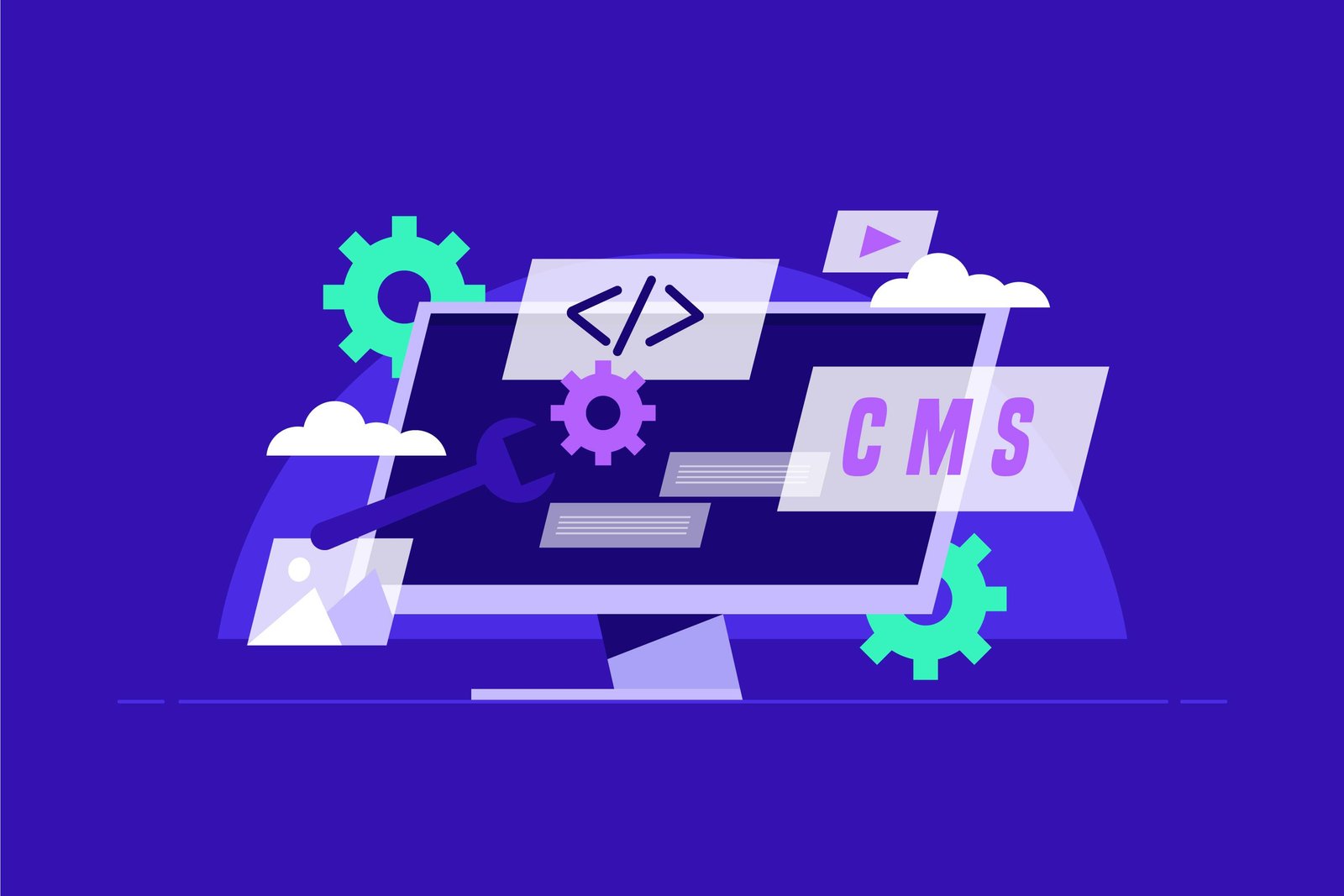
A Headless CMS is a back-end-only content management system that stores and delivers content via APIs (REST, GraphQL, etc.) without a built-in front-end (the "head"). Unlike traditional CMS platforms, which tightly couple content with presentation (e.g., themes and templates), a Headless CMS provides raw content that can be displayed on any device or platform.
How Does It Work?
- 1. Content Creation & Storage – Authors create and manage content in the CMS backend.
- 2. API-Based Delivery – The CMS delivers content via APIs to any front-end (website, app, smartwatch, etc.).
- 3. Front-End Flexibility – Developers use frameworks like React, Angular, or Vue.js to render the content dynamically.
Why Businesses Are Switching to Headless CMS
1. Omnichannel Content Delivery
With a Headless CMS, businesses can seamlessly publish content across websites, mobile apps, digital kiosks, AR/VR experiences, and even voice assistants (like Alexa).
- Example: A retail brand uses a Headless CMS to push product details to its eCommerce site, mobile app, and in-store displays simultaneously.
2. Faster Performance & Better Security
Since the front-end is decoupled, Headless CMS platforms:
- Reduce server load (no bloated themes or plugins).
- Improve page speed (content is fetched via APIs, enabling static site generation).
- Minimize security risks (no direct database exposure).
3. Future-Proof Technology
Headless CMS allows businesses to adapt to new technologies without overhauling their entire CMS. Whether it’s a new IoT device or a metaverse platform, content can be delivered effortlessly.
4. Improved Developer Experience
Developers can:
- Use modern frameworks(Next.js, Gatsby, Flutter).
- Work in preferred programming languages.
- Avoid CMS-specific templating constraints.
5. Scalability for Enterprise Needs
Headless CMS solutions like Contentful, Strapi, and Sanity offer cloud-based scalability, making them ideal for enterprises with high traffic and global content distribution.
Industries Benefiting from Headless CMS
| Industry | Use Case |
|---|---|
| E-Commerce | Dynamic product catalogs, personalized shopping experiences |
| Publishing | Multi-platform news distribution (web, app, newsletters) |
| Healthcare | Patient portals, telehealth apps, medical content hubs |
| FinTech | Secure banking apps, real-time financial dashboards |
| IoT & Smart Devices | Content delivery to wearables, smart home systems |
How to Choose the Right Headless CMS
When selecting a Headless CMS, consider:
- API Flexibility – Does it support REST, GraphQL, or Webhooks?
- Ease of Use – Is the content editor interface intuitive for non-technical teams?
- Scalability – Can it handle high traffic and global content delivery?
- Integration Capabilities – Does it work with your CRM, marketing tools, and analytics platforms?
- Pricing Model – Is it open-source (Strapi, Directus) or SaaS-based (Contentful, Prismic)?
Popular Headless CMS Options
- Strapi (Open-source, self-hosted)
- Contentful (Enterprise-grade SaaS)
- Sanity (Real-time content editing)
- Prismic (Developer-friendly with slices)
- Ghost (Great for publishers & blogs)

The Future of Headless CMS
As businesses continue to adopt AI, voice search, and immersive technologies, Headless CMS will become the backbone of dynamic, personalized digital experiences. Key trends include:
- AI-Powered Content Recommendations - Automatically suggest relevant content based on user behavior.
- Low-Code/No-Code Editors – Making Headless CMS more accessible to marketers.
- Edge Computing Integration – Faster content delivery via CDNs and edge networks.
- Composable Architecture – Combining Headless CMS with best-in-class microservices.
Conclusion
The digital world is evolving at an unprecedented pace, and businesses must adopt technologies that allow them to scale, adapt, and deliver seamless experiences across all touchpoints. A Headless CMS is not just a trend - it’s a fundamental shift in how content is managed and distributed. Unlike traditional CMS platforms that lock businesses into rigid templates and limited front-end options, a Headless CMS provides the freedom to innovate without constraints. Whether you're launching a new mobile app, optimizing for voice search, or preparing for emerging technologies like AR/VR, a Headless CMS ensures your content remains agile, reusable, and future-proof.
Moreover, as customer expectations rise, businesses need faster load times, personalized content, and omnichannel consistency - all of which a Headless CMS excels at delivering. By decoupling content from presentation, companies gain the ability to push updates instantly, experiment with new digital experiences, and integrate with cutting-edge tools like AI-driven personalization and automation platforms. The result? A more efficient workflow, reduced time-to-market, and a competitive edge in an increasingly digital-first economy. If your business is still relying on a legacy CMS, now is the time to explore Headless solutions - because the future of content management is modular, API-driven, and built for speed.